บริการเดินเรื่องขอใบอนุญาตขับขี่สากล

บริการเดินเรื่องขอใบอนุญาตขับขี่สากล (International Driving Permit) จากกรมการขนส่งทางบก ให้บริการลูกค้าทั้งในและต่างประเทศ

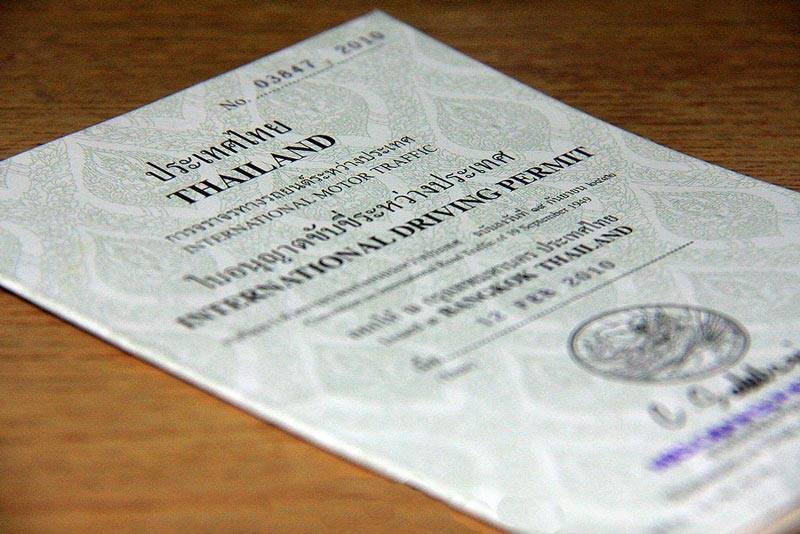
ใบอนุญาตขับขี่สากล (อังกฤษ: International Driving Permit (IDP)) เป็นเอกสารที่ยอมรับในหลายประเทศที่อนุญาตให้ผู้ถือขับรถยนต์ได้ ใบอนุญาตขับขี่สากลต้องใช้ร่วมกับใบอนุญาตขับขี่จาก ประเทศบ้านเกิดเท่านั้น ใบอนุญาตขับขี่สากลมีขนาดใหญ่กว่าหนังสือเดินทางเล็กน้อยและมีคำแปลหลายภาษา มีภาพผู้ถือใบอนุญาต และสถิติที่สำคัญ อย่างไรก็ดี ในประเทศส่วนใหญ่ ผู้มาเยือนชั่วคราวไม่จำเป็นต้องใช้ใบอนุญาตขับขี่สากลเพราะว่าใบอนุญาตขับ ขี่จากประเทศต้นทางมักจะสามารถใช้ได้ในประเทศปลายทางอยู่แล้ว การใช้ก็เหมือนกับใบขับขี่ธรรมดาในประเทศ เพียงแต่เวลาเราไปขับรถยนต์ที่ต่างประเทศนั้น ต้องใช้ใบขับขี่สากลนี้คู่กับหนังสือรับรองการได้รับอนุญาตขับรถยนต์ฉบับ ภาษาอังกฤษซึ่งอันนี้สามารถติดต่อขอทำได้พร้อมกับการขอทำใบขับขี่สากลโฮสต์

บริการทำใบอนุญาตขับขี่สากล

การขับรถในแต่ละประเทศอย่าลืมศึกษากฎจราจรเพิ่มเติมของประเทศนั้น เพราะแต่ละประเทศก็จะมีกฎเฉพาะแตกต่างกันออกไปอีก ควรศึกษาและทำความเข้าใจกฎของในประเทศเขา พร้อมทั้งตรวจสอบวิธีใช้รถก่อนการออกเดินทาง เส้นทางการเดินทางในแต่ละสถานที่ การขับรถบางประเทศใช้ พวงมาลัยซ้าย บางประเทศใช้พวงมาลัยขวา จึงต้องทำความเคยชิ้นให้ดี กฎหมายต่างประเทศเข้ม และกวดขันมาก

1240581_808125775881723_1090144300_n

International Driving Permit

Some people call this document as International drivers license (IDL). The International Driving Permit was a result of a 1949 United Nations (UN) convention on Road traffic. According to this convention many countries will respect and recognize an IDP from other endorsing countries for a year. An IDP allows people to drive a private motor vehicle in another nation when accompanied by a valid license from their home country. It will be a proof that people have a valid driver’s license in their nation. It will be needed people provide their IDP when they rent a car in a foreign country. This document is a little larger than a standard passport and its main purpose is to translate the original driver’s license information into almost a dozen languages (the five official UN languages such as English, Spanish, French, Russian, and Chinese and German, Italian, Arabic, the Scandinavian languages, and Portuguese. This way the IDP allows officials and other authorities in foreign countries “read” and interpret the license, even if they do not read English. It is important to know that people have to carry their driver’s license with their IDP, because this document doesn’t replace the driver license.

International Driving Permit

ฟ้องหย่า มีทนายผู้เชี่ยวชาญ

ฟ้องหย่า มีทนายผู้เชี่ยวชาญ

ฟ้องหย่า มีทนายผู้เชี่ยวชาญ

 ฟ้องหย่า มีทนายผู้เชี่ยวชาญ

การแก้เหตุฟ้องหย่าตามประมวลกฎหมายแพ่งและพาณิชย์ มาตรา1516 (1)

เรื่องของการฟ้องหย่า

โดยหลัก การหย่าโดยคำพิพากษาของศาล เป็นวิธีการหย่าเมื่อคู่สมรสไม่สามารถตกลงขอหย่าโดยความยินยอมได้ เหตุที่จะนำมาใช้ในการฟ้องหย่ามีกำหนดไว้ในมาตรา 1516 แห่งประมวลกฎหมายแพ่งและพาณิชย์มีอยู่ 10 เหตุ เป็นเหตุที่ผู้ร่างคัดเลือกมาแล้วว่าจะต้องมีสาเหตุกระทบถึงชีวิตครอบครัวของคู่สมรส อย่าร้ายแรงไม่เป็นเพียงลิ้นกระทบฟันธรรมดาทั่วไป

เหตุหย่าที่มีการแก้ไขเพิ่มเติมในครั้งนี้ตาม พ.ร.บ. แก้ไขเพิ่มเติมประมวลกฎหมายแพ่งและพาณิชย์ (ฉบับที่ 16) พ.ศ. 2550 ได้แก่ เหตุที่กำหนดไว้ในอนุมาตรา (1) ของมาตรา 1516 เป็นเหตุที่เกิดจากความผิดของคู่สมรสฝ่ายจำเลย ความผิดที่ว่านี้คือไม่ซื่อสัตย์ในประเวณีต่อคู่สมรสอีกฝ่าย กล่าวโดยรวมคือการเป็นชู้หรือมีชู้ (Adultery) ของสามมีหรือภรรยานั่นเองเป็นความผิดต่อระบบผัวเดียวเมียเดียวในกฎหมายครอบครัวไทย

Divorce-in-Thailand

วิวัฒนาการของเหตุฟ้องหย่าที่เกิดจากการผิดประเวณีของสามีภริยาที่กฎหมายนำมาบัญญัติเป็นเหตุฟ้องหย่า เริ่มต้นตั้งแต่การกำหนดในประมวลกฎหมายแพ่งและพาณิชย์ที่ประกาศใช้เป็นครั้งแรก

เมื่อปี พ.ศ. 2478 โดยมาตรา 1500 บัญญัติไว้ว่า

“คดีฟ้องหย่านั้นถ้า

(1) “…ภริยามีชู้ สามีฟ้องหย่าได้ …”

มีข้อสังเกตว่าเหตุหย่าในอนุมาตรานี้ เฉพาะสามีเท่านั้นที่มีสิทธิฟ้องหย่าได้ ภริยาไม่มีสิทธิเดียวกันนี้ แม้สามีจะมีชู้ (หรือเป็นชู้) กับหญิงอื่นก็ตาม ความไม่เท่าเทียมกันในเหตุฟ้องหย่าเหตุนี้ ฝ่ายเรียกร้องสิทธิสตรีรู้สึกและต่อสู้มาโดยตลอด

ต่อมาเมื่อได้มีการประกาศใช้รัฐธรรมนูญแห่งราชอาณาจักรไทยในปี พ.ศ. 2517 ซึ่งมาตรา 28 วรรคสองกำหนดให้ชายและหญิงมีสิทธิเท่าเทียมกันจึงทำให้ห้าปีต่อมาหลังจากการกำหนดเหตุฟ้องหย่าดังกล่าวจึงได้มีการแก้ไขปรับปรุงเหตุฟ้องหย่าในมาตรา 1516 ความว่า

“เหตุฟ้องหย่ามีดังต่อไปนี้

(1) ”…สามีอุปการะเลี้ยงดูหรือยกย่องหญิงอื่นฉันภริยา หรือภริยามีชู้ อีกฝ่ายหนึ่งฟ้องหย่าได้…”

การแก้ไขข้างต้นได้เปิดโอกาสให้ภริยามีสิทธิฟ้องหย่ามากขึ้นกว่าเดิมแต่ยังคงมีการแยกเหตุฟ้องหย่าของสามีและภริยาแตกต่างกัน กล่าวคือ หากภริยาร่วมประเวณีกับชายอื่นแม้แต่เพียงครั้งเดียว (มีชู้) ก็อาจถูกสามีฟ้องหย่าได้ แต่ฝ่ายสามีต้องมีพฤติการณ์ถึงขนาดอุปการะเลี้ยงดู หรือยกย่องหญิงอื่นอย่างเปิดเผยภรรยาจึงจะเกิดสิทธิในการฟ้อง

แต่การแก้ไขบรรพ 5 ต่อมาในปี พ.ศ. 2533 แม้จะยังมีกระแสเรียกร้องให้สิทธิหญิงเท่าเทียมกับชายแต่ก็ยังมิได้มีการแก้ไขปรับปรุงเหตุหย่าเป็นอย่างอื่น

จนกระทั่งมาถึงการแก้ไขกฎหมายครอบครัวครั้งล่าสุด ตาม พ.ร.บ. แก้ไขเพิ่มเติมประมวลกฎหมายแพ่งและพาณิชย์ (ฉบับที่ 16) พ.ศ. 2550 ซึ่งมีผลใช้บังคับตั้งแต่วันที่ 13 กันยายน พ.ศ. 2550 ได้แก้ไขเหตุฟ้องหย่าในมาตรา 1516 (1)ใหม่เพื่อให้สอดคล้องกับหลักการมีสิทธิเท่าเทียมกันระหว่างชายกับหญิงที่ได้รับรองไว้ในวรรค 2 ของมาตรา 30 แห่งรัฐธรรมนูญแห่งราชอาณาจักรไทย พ.ศ. 2550

พระราชบัญญัติแก้ไขเพิ่มเติมประมวลกฎหมายแพ่งและพาณิชย์ (ฉบับที่ 10) ในมาตา 1516 (1) บัญญัติว่า

“(1) สามีหรือภริยาอุปการะเลี้ยงดูหรือยกย่องผู้อื่นฉันภริยาหรือสามี เป็นชู้หรือมีชู้ หรือร่วมประเวณีกับผู้อื่นเป็นอาจิณ อีกฝ่ายหนึ่งฟ้องหย่าได้”

อาจสรุปกฎหมายใหม่ได้เพิ่มเติมเหตุฟ้องหย่าขึ้นมาใหม่ในครั้งนี้ 3 เรื่องใหญ่ด้วยกัน คือ

1) การอุปการะเลี้ยงดูหรือยกย่องผู้อื่นฉันสามี หรือภรรยา

การยกย่อง ได้แก้การแสดงออกของสามีภริยาไม่ว่าจะโดยชัดแจ้ง เช่นจดทะเบียนสมรสและอยู่กินด้วยกันอย่างเปิดเผย (ฎ.3596/2546) หรือโดยปริยายให้บุคคลทั่วไปเข้าใจว่าว่าผู้นั้นเป็นคู่สมรสของตน

สำหรับเหตุที่คู่สมรส “ยกย่อง” ผู้อื่นนี้อาจพิจารณาแยกต่างหากจาก “การอุปการะเลี้ยงดู” ได้ กล่าวคือ แม้สามีจะไม่ได้อุปการะเลี้ยงดูหญิงนั้นในทางทรัพย์สิน แต่ยกย่องหญิงนั้นเสมือนภรรยาโดยพฤติการณ์ที่เป็นที่รับรู้ของคนทั่วไปแล้วย่อมใช้เป็นเหตุฟ้องหย่าได้

เทียบกับการอุปการะเลี้ยงดูในฐานะภริยาน้อยอย่างลับๆก็ถือเป็นเหตุฟ้องหย่าในกรณี “การอุปการะเลี้ยงดู” โดยที่หญิงที่ได้รับการเลี้ยงดูหรือได้รับการยกย่องไม่จำเป็นต้องรู้ข้อเท็จจริงที่ว่าฝ่ายชายมีภรรยาอยู่แล้ว ไม่ถือเป็นเงื่อนไขในการอ้างเหตุฟ้องหย่าในกรณีนี้ กฎหมายมุ่งให้ยึดพฤติกรรมของสามีเป็นหลัก

กล่าวโดยสรุป เป็นการสนับสนุนระบบผัวเดียวเมียเดียวในกฎหมายครอบครัว คู่สมรสมีหน้าที่ต้องซื่อสัตย์และอุปการะซึ่งกันและ จะไปอุปการะเลี้ยงดูหรือยกย่องผู้อื่นเป็นบุคคลอื่นนอกจากสามีหรือภริยาที่ชอบด้วยกฎหมายของตนไม่ได้ ไม่ว่าจะเพศตรงข้ามหรือเพศเดียวกันก็ล้วนแล้วแต่เป็นการผิดประเวณีของคู่สมรสทั้งสิ้น

2) เป็นชู้ หรือมีชู้

ข้อความในกฎหมายเดิมเขียนไว้แต่เพียง “ภริยามีชู้” แต่ข้อความที่แก้ไขใหม่ได้เขียนเพิ่มเป็น “เป็นชู้หรือมีชู้” เนื่องจากต้องการให้การทำผิดศีลธรรมในเรื่อง “ชู้” เป็นความผิดทั้งสิ้นไม่ว่าคนกระทำจะเป็นชายหรือหญิง

การที่ภริยามีชู้ หมายถึง สมัครใจร่วมประเวณีกับชายอื่น แม้ร่วมเพียงครั้งเดียวและชายอื่นจะมีภริยาแล้วหรือไม่ก็ถือว่ามีชู้ ส่วนสามีหากร่วมประเวณีกับภรรยาของผู้อื่นย่อมถือว่าเป็นชู้ซึ่งเป็นเหตุฟ้องหย่า แต่หากพฤติกรรมเหล่านั้นเกิดจากความไม่สมัครใจ ถูกข่มขืนกระทำชำเรา หรือถูกทำอนาจาร จะเรียกว่ามีชู้ไม่ได้ รวมทั้งกรณีที่สามีหรือภรรยาอีกฝ่ายหนึ่งยินยอมหรือรู้เห็นเป็นใจให้คู่สมรสของตนมีชู้หรือเป็นชู้จะอ้างเหตุดังกล่าวมาฟ้องหย่าอีกฝ่ายไม่ได้

3) สามี หรือภรรยาร่วมประเวณีกับผู้อื่นเป็นอาจิณ

คำว่า ”ร่วมประเวณีกับผู้อื่นเป็นอาจิณ” เป็นกรณีที่สามีหรือภรรยาไปร่วมประเวณีกับบุคคลอื่นซึ่งไม่ใช่คู่สมรสของตน ซึ่งจะต่างจากการเป็นชู้ หรือมีชู้ตรงที่ การร่วมประเวณีกับผู้อื่นนี้ไม่จำเป็นต้องมีข้อเท็จจริงที่แสดงถึงการร่วมประเวณีกับชายหรือหญิงคนเดิม แค่มีพฤติกรรมการร่วมประเวณีกับชายหรือหญิงอื่นที่ไม่ใช่คู่สมรสอยู่เสมอๆ เป็นประจำก็เพียงพอที่จะใช้เป็นเหตุฟ้องหย่า

นอกจากจะแก้ไขเหตุฟ้องหย่าแล้ว ยังได้มีการแก้ไขกฎหมายเกี่ยวกับ การกำหนดสิทธิเรียกร้องค่าทดแทน กรณีการฟ้องหย่าเนื่องจากคู่สมรสอุปการะเลี้ยงดูหรือยกย่องผู้อื่นฉันสามีภริยาหรือสามี หรือเป็นชู้หรือมีชู้ ซึ่งเดิมกฎหมายเขียนไว้ว่า “เมื่อศาลพิพากษาให้หย่ากันเพราะเหตุสามีอุปการะหญิงอื่นหรือภริยามีชู้ ภริยาหรือสามีมีสิทธิได้รับค่าทดแทนจากสามีหรือภริยาและจากหญิงอื่นหรือชู้ แล้วแต่กรณี ….”

แต่กฎหมายที่แก้ไขใหม่เปลี่ยนเป็น ”เมื่อศาลพิพากษาให้หย่ากันเพราะเหตุสามีหรือภริยาอุปการะเลี้ยงดู หรือยกย่องผู้อื่นฉันภริยาหรือสามี เป็นชู้หรือมีชู้ หรือร่วมประเวณีกับผู้อื่นเป็นอาจิณ ภริยาหรือสามีมีสิทธิได้รับค่าทดแทนจากสามีหรือภริยา และจากผู้ซึ่งได้รับการอุปการะเลี้ยงดูหรือยกย่อง หรือผู้ซึ่งเป็นเหตุแห่งการหย่านั้น”

คำว่า “ผู้ซึ่งเป็นเหตุแห่งการหย่า” นี้ หมายถึงผู้ใดบ้าง ก็ต้องย้อนกลับไปอ่านข้างบนอีกที จะเห็นว่าหมายถึง ผู้ที่เป็นชู้กับสามีหรือภริยาของผู้อื่น (ในกรณีที่ศาลพิพากษาให้หย่าด้วยเหตุเป็นชู้ หรือมีชู้) หรือผู้ซึ่งร่วมประเวณีกับสามีหรือภริยาของผู้อื่น (กรณีศาลพิพากษาให้หย่าด้วยเหตุการร่วมประเวณีกับผู้อื่นเป็นอาจิณ)

ในส่วนของกฎหมายที่แก้ไขมาใหม่นี้ยังคงมีปัญหาที่ต้องขบคิดต่อไปว่า ผู้ที่เข้ามาร่วมประเวณี เป็นชู้ หรือได้รับการอุปการะเลี้ยงดู หรือยกย่องเสมือนสามีหรือภรรยา ซึ่งเป็นเหตุแห่งการหย่านั้น จำเป็นที่จะต้องรู้ว่าตนเป็นเหตุแห่งการหย่าหรือไม่ จะถือเป็นเงื่อนไขที่ทำให้ภริยาหรือสามีที่ศาลพิพากษาให้หย่ามีสิทธิได้รับค่าทดแทนจากบุคคลดังกล่าวหรือไม่ ในส่วนนี้กฎหมายที่แก้ไขใหม่ไม่ได้กำหนดไว้ชัดเจน

กล่าวโดยสรุปแล้ว จากความคิดพื้นฐานที่ว่า ชาย-หญิง ควรได้รับการปฏิบัติในเรื่องต่างๆอย่างเท่าเทียมกัน นำมาสู่การแก้ไขพัฒนากฎหมายให้สอดคล้องกับทั้งความคิด ค่านิยม และพฤติกรรมของคนในสังคมการแก้ไขเหตุหย่าในกฎหมายแพ่งและพาณิชย์นี้ ก็เป็นสิ่งหนึ่งที่แสดงให้เห็นถึงการอนุวัฒน์ตามความเห็น มุมมอง และทัศนคติของสังคมที่เปลี่ยนแปลงไป

divorceDivorce-in-Thailand

Rhode Island Divorce Mediationhow-to-fix-a-marriage  divorce-petition separação couple_divorce_1366911c

Dissolution of Marriage

Dissolution of Marriage have attorney

finding-a-thailand-lawyer

Divorce in Thailand: Ending a Marriage
Understand legal divorce in Thailand: who may get one, where and how, with an explanation of the simple divorce by mutual consent available to couples married in Thailand…

A divorce by mutual consent in Thailand is fairly easy to obtain; any other type of divorce can be more complicated.

Note: Divorce by mutual consent only applies if the couple married in Thailand. If they married outside Thailand they may apply for divorce in Thailand but have to go through the court system.
Divorce by Mutual Consent

An uncontested divorce can be obtained at the local District Office (khet/amphur). A divorce by mutual consent must be made in writing and certified with the signature of at least two witnesses and it must be registered with the relevant authorities.

The divorce documents and a summary on completing the form are available from the local District Office. All documents are in Thai.

There is no requirement to be accompanied by lawyer or have lawyer prepare the divorce documents. But having a lawyer may help explain things better.
Registering the divorce

Registration is made at the District Office. At most amphurs it is not possible to make an appointment, instead simply join the queue.

Take the following:

Completed written documents with two witness signatures
Photo identification for both parties
Passports for both parties
The marriage certificate

A small fee is charged.
Divorce by Judgment

A court will only grant a divorce by judgment on legal grounds. These grounds include:

Adultery
A spouse is guilty of misconduct that inflicts serious shame, insult or injury on their partner and cohabitation is no longer possible
A spouse has caused serious harm or torture to the body or mind of their partner, or has seriously insulted their parents
A spouse has deserted for longer one year
A spouse has disappeared
a spouse has failed to provide proper maintenance and support to their partner; cohabitation is no longer possible
A spouse suffering from serious mental illness for at least three years
A breach of the good behaviour bond
A spouse is suffering from a contagious and dangerous disease which is incurable and may cause injury to the other
A spouse has a physical handicap and is permanently unable to cohabit as husband and wife

A lawyer is needed to start filing proceedings for divorce.
Divorce Settlements

An arrangement must be made in the divorce settlement regarding the parental rights and contribution to the maintenance of involved children. If provisions are not included in the divorce agreement, the court will determine the provisions.

In a case of divorce on the grounds of adultery, compensation may be awarded to the innocent spouse. A spouse may claim for living allowance if the grounds for divorce were derived from the fault of only one spouse. However, this right is void when the party receiving the allowance remarries.
Property

Thailand falls under community property law, meaning any property acquired during marriage is considered shared or community property and any property acquired pre-marriage is not. This law is subject to some interpretation however. After divorce, the property of the husband and wife is subject to liquidation (unless otherwise agreed upon). Property owned on the date of the registration of the divorce or the date the divorce was filed in court is subject to liquidation. Any common property (sin somros) is divided equally between the man and the woman (unless otherwise agreed upon).
Prenuptial Agreements

Prenuptial agreements are becoming more and more common in Thailand. To be valid, a prenuptial agreement must be signed by both spouses as well as two witnesses and registered with the relevant authorities – the local District Office (khet/amphur) – at the time of marriage.

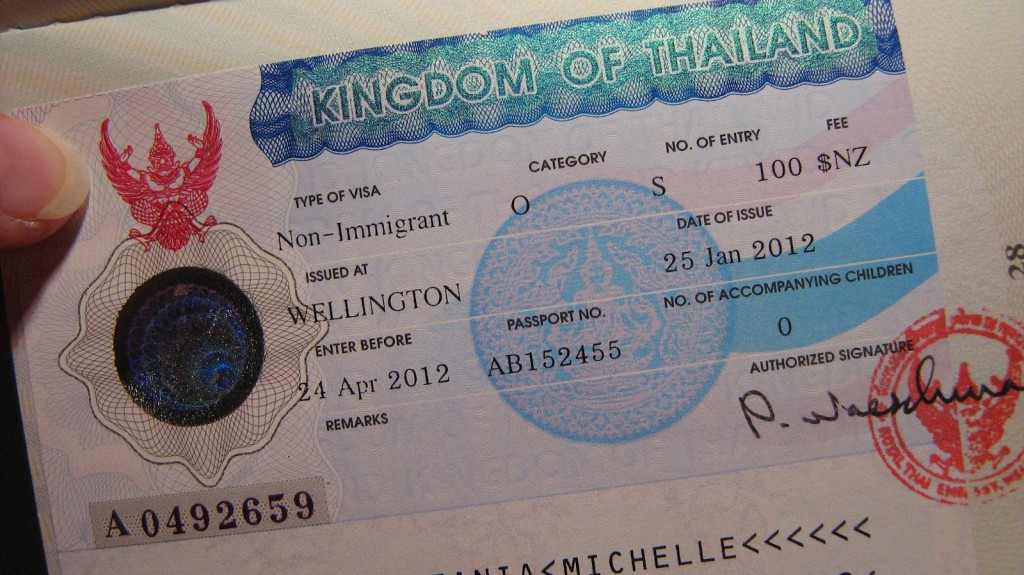
Non-Immigrant Visa-O (Thai Spouse)

Non-Immigrant Visa-O (Thai Spouse) 

REQUIREMENT

This Type of visa is for a person who has a Thai wife/husband/child only

รับเปลี่ยนวีซ่า


Non-Immigrant Visa-O (Thai Spouse)

Non-immigrant visa

A Non-immigrant visa is a visa issue to a person under the conditions of applying for a temporary stay in the Kingdom as follows:

  • Performance official duties;
  • Business;
  • Investing under the concurrence of the Ministries and Departments concerned;
  • Investing or other activities relating to investing subject to the Provisions of Law on Investment Promotion;
  • Study or observation;
  • Mass media;
  • Missionary work under the concurrence of the Ministries and Departments concerned;
  • Scientific research, training or teaching in a Research institute or institute in the Kingdom;
  • The practice of skilled handicrafts or as a specialist;
  • Other activities such as to perform duties or missions in the family of alien who entered to stay temporary in the Kingdom as the parents, spouse or child under patronage and being a part of the household of the said person; or to provide or received support from the person whose nationality is Thai or the alien who has been granted and has taken up permanent residence in the Kingdom as the parents, spouse or child under patronage and being a part of household of the said person;  or to perform duties for the state enterprises or social welfare organization.

Important Information regarding Non-Immigrant Visas

The Visa Section at the Royal Thai Consulate General in Chicago will be granting visas according to the PURPOSE of the applicant who will travel into the Kingdom of Thailand based on the rules and regulations set forth by the Immigration Bureau of Thailand and the authorities concerned. It must be understood that we will not issue a visa beyond the category which is appropriate to the purpose of the applicant’s travel to Thailand.

IConducting business (not including employment), the visa applicant must include with his or her visa application any such documentation the Consulate deems necessary for consideration of the visa application which includes the following:

  • An original employment verification letter with the purpose of visit.
  • An original letter of invitation on company letterhead from the business host in Thailand;
  • A copy of the host’s Registration of Trade which states the amount of capital investment which is issued by the Department of Commercial Registration with certification by the Department not more than six months earlier;
  • Certified documentation of the payment of taxes by the business host of the past two years.
  • Certified approval Letter from the Labor Department by the Department of Consul, Ministry of Foreign Affairs, Thailand.
  • Any documents that prove you are traveling for business purposes;

IIEmployment

  • Approval from the Alien Occupational Control Division, Department of Employment, Ministry of Labour and Social Welfare.

IIITeaching [ For teaching in private schools at the levels below university level ]

  • Passport or travel document with validity of not less than 6 months
  • Completed visa application form
  • Recent passport-sized photograph (4 x 6 cm) of the applicant taken within the past 6 months.
  • Letter of acceptance from employing institute or school in Thailand.
  • Letter of approval from government agencies such as the Office of the Private Education Commission, the Office of the Basic Education Commission.
  • Evidence of educational qualification such as diplomas or teaching certificates.
  • School license or business registration, list of shareholders and school profile.
  • Applicant’s resume.
  • Police certificate verifying that applicant has no criminal record or equivalents or letter issued by authorised agencies in applicant’s country. (The requirement of the submission of such police certificate is optional. The applicant must submit it if consular officer requests he/she to do so. This requirement is effective as from May 2007)

IVResearch

  • The original invitation letter from the institution concerned.
  • The approval from the Ministry or the Government University concerned;

V.Religious purposes

  • approval from the Religious Affairs Department of the Ministry of Education. (When the applicant is approved by the Religious Affairs Department of the Ministry of Education, the religious institution would then send the approval document to the applicant and to Consulate for consideration in issuing the visa.)

VI.Visiting family

  • To visit as a spouse of a Thai national
    • a valid and effective marriage certificate (original)
    • a certified copy of the Thai national’s passport/ I.D. card of the spouse.
    • a certified letter from the Thai spouse stating that he or she is still married to the applicant.
    • Fianc้s or fianc้es are not included in this category
  • To visit as a relative of a Thai national
    • documents proving such relationship.

VIIRetirement in Thailand, the applicant must be at least 50 years old and must submit documents as follows :

  • documentation showing proof of retirement
  • bank statement or monthly/year income.
  • a copy of the applicant’s criminal record from the local police department
  • a certificate of health.

*These documents must be certified by a Notary Public and certify true signature of the notary public by the Secretary of State.

VIII.Studying

  • For studying in private schools or private colleges.
    • Approval from the Ministry of Education or the Ministry of University Affairs (When the applicant has been approved by the above-mentioned offices, the school or college would then send the approval document to the applicant and to the Consulate for consideration in issuing the visa.)
  • For studying at a government school or government university
    • Approval from the Ministry of Education/Ministry of University Affairs or the University’s administration. (When the applicant is approved by the Ministry of Education / Ministry of University Affairs or the University’s administration, the school or college will then send the approval document to the applicant and to the Consulate for consideration in issuing the visa.)

For other purposes not listed above, please contact the Visa Section at the Royal Thai Consulate General in Chicago

Non-Immigrant Visas will not be issued for such purposes as tourism, seeking employment opportunities in Thailand, looking for a school for teaching or studying purposes, etc.

For such purposes a 60-day Tourist Visa may be granted which can be extended up to 30 or more days in Thailand through Thai Immigration. For more information on extending visas in Thailand. The holder of any category of visa to the Kingdom of Thailand may apply in Thailand to change to another visa category when you are in Thailand, if you are qualified for that type of visa. The applicant can apply for changing a visa category at the Immigration Bureau Office in Thailand.

รับเปลี่ยนวีซ่าท่องเที่ยวเป็นวีซ่าติดตามภรรยาไทย

รับปรึกษา รับเปลี่ยนวีซ่าท่องเที่ยวเป็นวีซ่าติดตามภรรยาไทย วีซ่าสำหรับชาวต่างชาติที่มีภรรยาชาวไทย

สำหรับผู้ที่มีความประสงค์ต้องการเปลี่ยนวีซ่าท่องเที่ยวเป็นวีซ่าติดตามภรรยาไทย ทางเราสามารถให้บริการช่วยเหลือให้คำปรึกษาในการเปลี่ยนวีซ่าท่องเที่ยวเป็นวีซ่าติดตามภรรยาไทย เพื่อเพิ่มความสะดวกและประหยัดเวลาในการเตรียมเอกสารและข้อมูลต่าง ๆ ตามที่ทางสถานกงศุลหรือสถานทูตต้องการ

 รับเปลี่ยนวีซ่า

 รับปรึกษา ท่องเที่ยวเป็นวีซ่าติดตามภรรยาไทย

การตรวจลงตราประเภทคนอยู่ชั่วคราว (Non-Immigrant Visa)
Non-immigrant visa
1. การตรวจลงตราประเภทคนอยู่ชั่วคราว รหัส O (Non-Immigrant Visa “O”)

การตรวจลงตราประเภทนี้จะออกให้แก่คนต่างด้าวที่ประสงค์จะเดินทางเข้ามาในราช อาณาจักรเพื่อวัตถุประสงค์อย่างใดอย่างหนึ่ง อาทิ การเข้ามาใช้ชีวิตในบั้นปลายในฐานะผู้สูงอายุ การเข้ามาในฐานะคู่สมรส หรือการให้ความ

อุปการะแก่หรือรับความอุปการะจากบุคคลสัญชาติไทย การปฏิบัติหน้าที่ให้แก่รัฐวิสาหกิจ หรือองค์การกุศลสาธารณะ เป็นต้น

1.1 การเข้ามาเพื่อใช้ชีวิตในฐานะผู้สูงอายุ (รหัส O)

ผู้ร้องต้องมีอายุตั้งแต่ 50 ปีบริบูรณ์ขึ้นไป ระบุวัตถุประสงค์ว่าจะขอเข้ามาใช้ชีวิตในฐานะผู้สูงอายุ
หรือเกษียณ และจะไม่ทำงานในระหว่างพำนักในไทย
หลักฐานแสดงฐานะทางการเงินหรือหลักฐานการได้รับเงินบำนาญ
(ต้องมีเงินฝากไม่น้อยกว่า 200,000 บาท หรือมีรายได้/บำนาญไม่น้อยกว่าเดือนละ 65,000 บาท)

หมายเหตุ

เมื่อคนต่างด้าวเดินทางเข้าประเทศไทย เจ้าพนักงานตรวจคนเข้าเมืองจะพิจารณา
อนุญาตให้พำนักอยู่ในราชอาณาจักรได้ไม่ เกิน 90 วัน การขยายระยะเวลาพำนัก จะต้องติดต่อ
สำนักงานตรวจคนเข้าเมือง
หากเป็นการขอขยายระยะเวลาพำนักระยะยาว คือ 1 ปี สำนักงานตรวจคนเข้าเมืองจะพิจารณาโดยใช้หลักเกณฑ์การเข้าเมืองของคนต่างด้าว ซึ่งมีอายุไม่ต่ำกว่า 50 ปีบริบูรณ์ ซึ่งประสงค์จะขอรับการตรวจลงตราเพื่อเข้ามาพำนักในราชอาณาจักรคราวละไม่เกิน 1 ปี รหัส O-A โดยใช้หลักเกณฑ์ว่าผู้ร้องต้องมีหลักทรัพย์เป็นเงินฝาก 800,000 บาท หรือมีรายได้/บำนาญเดือนละ 65,000 บาท หรือมีเงินฝากและรายได้รวมกันไม่น้อยกว่า 800,000 บาท)

1.2 หลักฐานการเป็นบิดา มารดา บุตร / สูติบัตร / ใบสำคัญการสมรส

1.3 หนังสือรับรองการทำงาน ใบอนุญาตทำงานที่ยังมีอายุใช้งาน ของผู้ที่ทำงานในประเทศไทย (กรณีติดตามคู่สมรสที่เป็นคนต่างด้าว)

1.4 หลักฐานแสดงว่าคู่สมรสเป็นคนสัญชาติไทย หรือเป็นผู้ที่มีถิ่นที่อยู่ในราชอาณาจักร หลักฐานแสดงฐานะทางการเงิน (กรณีติดตามครอบครัวที่เป็นคนสัญชาติไทย)

2. การตรวจลงตราประเภทคนอยู่ชั่วคราว รหัส B (Non-Immigrant Visa “B”)

2.1 การติดต่อหรือประกอบธุรกิจ และการทำงาน

หนังสือกรมการจัดหางาน กระทรวงแรงงาน แจ้งผลการพิจารณาอนุญาตให้คนต่างด้าวเข้ามา
ทำงานในบริษัทฯ ที่ขอได้
หนังสือจากบริษัทในประเทศไทยที่จะจ้างงานบุคคลต่างด้าวดังกล่าวชี้แจงรายละเอียดเกี่ยวกับการ
จ้างงาน พร้อมทั้งแนบเอกสารของบริษัท เช่น ใบสำคัญแสดงการจดทะเบียนบริษัท
หนังสือรับรองการทำงานของบริษัทที่ผู้ร้องทำงานอยู่ รวมทั้งระบุวัตถุประสงค์ของการเดินทางไป
ประเทศไทย ชื่อบริษัท ห้างร้าน หรือหน่วยงานที่จะไปติดต่อ
หนังสือเชิญของบริษัทในประเทศไทยให้ผู้ร้องเดินทางไปประเทศไทยเพื่อติดต่อธุรกิจ

2.2 ครู / อาจารย์ในสถาบันการศึกษาเอกชน

หนังสือตอบรับการจ้างจากสถาบันการศึกษา
หนังสืออนุมัติให้จ้างบุคคลดังกล่าวจากสำนักงานคณะกรรมการการศึกษาเอกชน (สช) หรือจากสำนักงานศึกษาธิการจังหวัด (ส่วนภูมิภาค)

รับปรึกษาทำพาสปอร์ต / วีซ่าทุกประเทศ

รับปรึกษาทำพาสปอร์ต / วีซ่าทุกประเทศ ทางเราให้บริการเกี่ยวกับการให้ความช่วยเหลือการขอทำ  Passport และ Visa มาเป็นเวลานานในภูมิภาคนี้ มีลูกค้าและหน่วยงานจำนวนมากที่เชื่อมั่นในบริการแบบมือาชีพของเรา

รับปรึกษาทำพาสปอร์ต / วีซ่าทุกประเทศ

วีซ่าแบบ 1 ปี (LONG TERM VISA 1 YEAR)

++ กรณีที่คนต่างด้าวได้ดำเนินการขอวีซ่า Non Immigrant “ B “ มาแล้ว และดำเนินการขอใบอนุญาตการทำงาน (Work Permit) เรียบร้อยแล้ว เมื่อใกล้ครบกำหนดการอนุญาตในวีซ่า คนต่างด้าวต้องยื่นเอกสาร เพื่อขออยู่ต่อในราชอาณาจักรเป็นการชั่วคราวต่อไป เป็นระยะเวลา 1 ปี หรือเรียกว่า Long Term Visa 1 Year กับสำนักงานตรวจคนเข้าเมือง หรือที่ศูนย์บริการวีซ่าและใบอนุญาตทำงาน (One Stop Service) ซึ่งสะดวกรวดเร็วมากใช้เวลาประมาณ 1 วัน แต่ทั้งนี้บุคคลที่จะยื่นเอกสารที่ One Stop Service ได้นั้นต้องมีคุณสมบัติเฉพาะตามที่กำหนดไว้ในเงื่อนไขของ One Stop Service ในการขอต่ออายุวีซ่า โดยปกติครั้งแรกเจ้าหน้าที่จะอนุญาตให้ 30 วันก่อนเพื่อรอฟังผลการพิจารณาว่าจะอนุมัติหรือไม่ เมื่อใกล้ครบกำหนดการนัดฟังผล ให้นำหนังสือเดินทางไปฟังผลการพิจารณาที่สำนักงานตรวจคนเข้าเมือง ถ้าผลการพิจารณาเสร็จสิ้นแล้วจะอนุญาตให้ 1 ปี หรือน้อยกว่าขึ้นอยู่กับการพิจารณาอนุญาต แต่ถ้าผลการพิจารณายังไม่เสร็จก็จะอนุญาตต่อให้อีก จนกว่าผลการพิจารณาจะแล้วเสร็จ
สำหรับต่างด้าวที่ได้รับการอนุญาตให้อยู่ต่อและได้รับวีซ่าแบบ 1 ปี หากอยู่ในประเทศไทยติดต่อกันเกิน 90 วัน จะต้องยื่นแบบฯรายงานตัวต่อสำนักงานตำรวจตรวจคนเข้าเมืองด้วย ซึ่งสามารถแจ้งได้ด้วยตนเอง ส่งทางไปรษณีย์ หรือมอบอำนาจให้คนอื่นแจ้งแทนก็ได้

++ ในกรณีที่คนต่างด้าวต้องการเดินทางออกนอกประเทศ จะต้องทำ Re – Entry ด้วย มิฉะนั้นแล้ว Non – Immigrant “B” ที่ได้รับจะไม่สามารถใช้ได้อีกต่อไป วีซ่าของเมื่อบินกลับเข้ามาประเทศไทย วีซ่าที่ได้รับจะใช้ไม่ได้ และกลายเป็นการเข้ามาแบบเป็น Tourist Visa หรือ Transit Visa หรือ ผ.30

1-Arrest-warrants-for-visa-consultant

วีซ่าแบบชีวิตบั้นปลาย (RETIREMENT VISA)

วีซ่าแบบชีวิตบั้นปลาย หรือวีซ่าเกษียณอายุ สำหรับบุคคลที่มีอายุตั้งแต่ 50 ปีขึ้นไป และต้องการอาศัยอยู่ในประเทศไทย ท่านต้องแสดงหลักฐานทางการเงิน คือ เงินฝากในบัญชีออมทรัพย์ไม่น้อยกว่า 800,000 บาท หรือหลักฐานการรับเงินบำนาญ หรือเงินเกษียณอายุเดือนละไม่น้อยกว่า 65,000 บาท หรือมีทั้งบัญชีเงินฝากและเงินบำนาญรวมกันทั้งปี ไม่น้อยกว่า 800,000 บาท เพื่อเป็นหลักฐานประกอบการพิจารณา แต่ทั้งนี้วีซ่าของท่านจะต้องเป็นแบบ Non-Immigrant ก่อน ซึ่งโดยทั่วไปประเภทวีซ่าจะเป็นแบบ Non-O จึงจะสามารถยื่นขอวีซ่าแบบชีวิตบั้นปลายได้ ท่านสามารถยื่นเอกสารเพื่อขอวีซ่าแบบชีวิตบั้นปลายนี้ได้ ที่สำนักงานตรวจคนเข้าเมือง ซึ่งระยะเวลาการอนุญาตจะเป็นแบบครั้งละ 1 ปี

แต่หากท่านประสงค์จะเปลี่ยนประเภทของการตรวจลงตราวีซ่าจาก ผ.30 หรือ Tourinst เป็น Non-O สามารถยื่นเปลี่ยนประเภทของวีซ่าได้ที่สำนักงานตรวจคนเข้าเมือง แต่ทั้งนี้การพิจารณาอนุมัติหรือไมม่ขึ้นอยู่กับดุลยพินิจของเจ้าหน้าที่

Non-immigrant visa

วีซ่าประเภทธุรกิจ (NON – IMMIGRANT VISA )

NON – IMMIGRANT VISA จะมีหลายประเภท วีซ่าที่มักนำมาใช้ประกอบในการยื่นขอใบอนุญาตการทำงานงานในประเทศไทย เช่น วีซ่าประเภทธุรกิจ (B) และวีซ่าครอบครัว ,วีซ่าแต่งงาน (O) ส่วนใหญ่คนต่างด้าวที่เดินทางเข้ามาในประเทศไทยจะถือวีซ่านักท่องเที่ยวหรือวีซ่าผู้เดินทางผ่าน (Tourist Visa / Transit Visa/W.30) ซึ่งวีซ่าไม่สามารถนำไปขอใบอนุญาตการทำงานได้ จะต้องเปลี่ยนประเภทวีซ่าเสียก่อน ดังนั้นวีซ่าที่จะใช้ขอใบอนุญาตการทำงานได้ คือวีซ่า Non – Immigrant “B” หรือ “O” ซึ่ง NOn-Immigrant “B” จะดำเนินการขอได้ 3 วิธี

วิธีที่หนึ่ง บริษัทที่ประสงค์จะจ้างคนต่างด้าว ทำจดหมายรับรองการจ้างงานพร้อมเอกสารแนบให้คนต่างด้าวนำไปยื่นต่อสถานทูตไทยในต่างประเทศ ควรจะเป็นประเทศในถิ่นกำเนิดของคนต่างด้าวจะดีที่สุด เพื่อที่จะขอวีซ่า Non – Immigrant “B” มาขอใบอนุญาตทำงานต่อไป วีซ่า Non-immigrant B ที่จะไปขอแบ่งออกเป็น 2 แบบ คือ Multiple B ( 1 ปี แต่แบ่งออกเป็นครั้งละ 90 วัน จะได้ 90 วัน ทุกครั้งที่บินออกไป) และ Single B (90 วัน) ขึ้นอยู่กับความต้องการของคนต่างด้าวและการพิจารณาของเจ้าหน้าที่ว่าจะอนุมัติวีซ่าประเภทไหน

วิธีที่สอง บริษัทที่จะจ้างคนต่างด้าว ทำเอกสารการจ้างงานพร้อมเอกสารแนบ ยื่นต่อแรงงานฯ เพื่อขออนุมัติตำแหน่งจากแรงงานฯก่อน เมื่อแรงงานฯมีหนังสือแจ้งผลการพิจารณาอนุญาต ให้นายจ้างส่งหนังสือแจ้งดังกล่าวพร้อมหลักฐานประกอบการพิจารณา ไปให้คนต่างด้าวเพื่อยื่นต่อสถานทูตไทยในต่างประเทศเพื่อขอวีซ่า Non – Immigrant “B” และคนต่างด้าวต้องนำวีซ่าที่ได้รับอนุมัติมายื่นต่อแรงงานฯ ภายใน 30 วัน นับจากวันที่มีการรับเอกสารไปจากแรงงานฯ เพื่อขอใบอนุญาตทำงาน

วิธีที่สาม การปลี่ยนประเภทของวีซ่าที่ประเทศไทย วิธีการที่คนต่างด้าวสามารถขอเปลี่ยนประเภทของวีซ่าจากนักท่องเที่ยว หรือวีซ่า ผ.30 เป็นวีซ่า Non-B หรือ Non-O โดยการเตรียมเอกสารประกอบการเปลี่ยนประเภทของวีซ่าไปยื่นที่สำนักงานตรวจคนเข้าเมือง ซอยสวนพลู แล้วนำวีซ่าที่ได้ไปยื่นขอใบอนุญาตทำงาน หรือยื่นขออยู่ต่อแบบอื่นต่อไป

ข้อควรทราบเพิ่มเติม

การเปลี่ยนประเภทวีซ่า (Visa Status Alteration)

คนต่างด้าวที่ถือวีซ่าประเภทอื่นที่มิใช่ Non- Immigrant Visa เช่น Tourist , W.30 หรือ Transit และมีความประสงค์จะเปลี่ยนประเภทของวีซ่า เพื่อขออยู่ต่อในประเทศไทย เพื่อวัตถุประสงค์อื่น เช่น เพื่อการลงทุน การทำงาน การแต่งงาน การใช้ชีวิตบั้นปลายในเมืองไทย เป็นต้น มีข้อควรทราบเกี่ยวกับการยื่นเปลี่ยนประเภทของวีซ่าดังนี้

1.Tourist Visa โดยปกติวีซ่าประเภทนี้ เมื่อเดินทางเข้ามาในประเทศไทย จะสามารถอาศัยอยู่ในประเทศไทยได้ 60- 90 วัน นับตั้งแต่วันที่เดินทางเข้ามา ทั้งนี้ขึ้นอยู่กับเงื่อนไขและข้อตกลงของแต่ละประเทศว่าจะอนุญาตได้ครั้งละกี่วัน หากคนต่างด้าวนั้นมีความประสงค์ที่จะขอเปลี่ยนประเภทของวีซ่าเป็น Non- Immigrant จะต้องดำเนินการเปลี่ยนประเภทวีซ่า ก่อนที่วีซ่าจะหมดอายุ และต้องเหลือไม่น้อยกว่า 21 วัน ณ วันที่ยื่นคำขอ

2.Transit Visa เรียกว่าวีซ่าเดินทางผ่าน จะสามารถอาศัยอยู่ในประเทศไทยได้ 15 – 30 วัน ทั้งนี้ขึ้นอยู่กับเงื่อนไขและข้อตกลงของแต่ละประเทศว่าจะอนุญาตได้ครั้งละกี่วัน หากคนต่างด้าวนั้นมีความประสงค์ที่จะขอเปลี่ยนประเภทของวีซ่าเป็น Non- Immigrant จะต้องดำเนินการเปลี่ยนประเภทวีซ่า ก่อนที่วีซ่าจะหมดอายุ และต้องเหลือไม่น้อยกว่า 21 วัน ณ วันที่ยื่นคำขอ

3. ผ.30 ได้รับการยกเว้นการตรวจลงตรง โดยทางเจ้าหน้าที่ของสำนักงานตรวจคนเข้าเมืองจะประทับวีซ่าให้ตอนที่เข้ามาถึงสนามบิน (สำหรับบางสัญชาติเท่านั้น) จะอนุญาตให้อยู่ในประเทศไทยได้คราวละ 30 วัน หากคนต่างด้าวนั้นมีความประสงค์ที่จะขอเปลี่ยนประเภทของวีซ่าเป็น Non- Immigrant จะต้องดำเนินการเปลี่ยนประเภทวีซ่า ก่อนที่วีซ่าจะหมดอายุ และต้องเหลือไม่น้อยกว่า 21 วัน ณ วันที่ยื่นคำขอ

เมื่อยื่นเอกสารการขอเปลี่ยนประเภทของวีซ่า จอต้องรอฟังผลการพิจารณาประมาณ 21 วัน เมื่อได้รับอนุมัติจากสำนักงานตรวจคนเข้าเมืองให้เปลี่ยนประเภทวีซ่า ต่างด้าวจะได้รับอนุมัติให้อยู่ในประเทศไทยได้ 90 วัน

การแจ้งความประสงค์จะเดินทางออกไปต่างประเทศและกลับเข้ามาในราชอาณาจักรอีก (Re-Entry Permit)

คนต่างด้าวที่ได้รับวีซ่าแบบ Non-Immigrant – Single หรือได้รับวีซ่าอนุญาตให้อยู่ต่อจาก สำนักงานตรวจคนเข้าเมืองแล้ว หากประสงค์การเดินทางไปต่างประเทศและกลับเข้ามาในราชอาณาจักรอีกโดยยังรักษาสภาพ Non-immigrant Visa ที่ได้รับไว้เหมือนเดิม เมื่อท่านประสงค์จะเดินทางออกนอกประเทศไทย ท่านต้องทำ Re – Entry Permit ซึ่งมี 2 แบบ

1. Single Re – Entry คือท่านต้องขออนุญาตทุกครั้งก่อนเดินทางออกนอกประเทศ เป็นการยื่น 1 ครั้งต่อการเดินทาง 1 ครั้ง เหมาะกับผู้ที่ไม่ค่อยจะได้เดินทางออกนอกประเทศ หรือมีวีซ่าระยะสั้นในช่วงการรอฟังผลการพิจารณาวีซ่า ค่าธรรมเนียม 1,000 บาทต่อครั้ง

2. Multiple Re – Entry คือการขออนุญาตครั้งเดียว แต่สามารถเดินทางออกนอกประเทศได้หลายครั้งตามระยะเวลาเท่ากับวีซ่าที่มีอยู่ เหมาะกับผู้ที่ต้องเดินทางออกนอกประเทศบ่อยๆ หรือมีวีซ่าระยะยาว หรือ ได้รับอนุญาตให้อยู่ในประเทศไทยแบบ 1 ปี ค่าธรรมเนียม 3,800 บาท ต่อครั้ง

++ ผู้ที่มีวีซ่าแบบ Non – immigrant visa – Multiple ไม่ต้องทำ Re – Entry (แต่ถ้าเป็นNon – immigrant visa – Single ต้องทำ) เพราะเมื่อท่านเดินทางออกนอกประเทศท่านจะได้รับวีซ่าอนุญาตให้เข้ามาใหม่ เป็นเวลา 90 วันอีก จนใกล้ครบ 12 เดือน ท่านต้องยื่นขออยู่ต่อ ณ สำนักงานตรวจคนเข้าเมืองและท่านต้องมีใบอนุญาตการทำงานประกอบการยื่นด้วย

++ ในกรณีที่ท่านต้องการเดินทางออกนอกประเทศไทย ท่านต้องทำ Re – Entry มิฉะนั้นแล้ว Non- Immigrant “B” ที่ท่านมีจะไม่สามารถใช้ได้อีกต่อไป วีซ่าของท่านจะกลายเป็น Tourist visa หรือ ผ. 30 หรือ Transit visa

2.4-Passports-Visas

Passport & Visa Consultants

Passport & Visa Consultants  We are running service industry for assisting the passport and visa immigration services since long in the region. There are numerous agencies assuring their clients with influencing pitch of their professionalism.

Passport & Visa Consultants

LONG TERM VISA

After you have got Non – Immigrant “B” and the Work Permit ,you must apply for long term visa for one year before the expiry date at the Immigration office or One Stop Services Center for visa and Work Permit (Specify Qualification Applicant) or the Visa Center at the Office of Foreign Workers Administration,The Immigration officer will first extend your visa only 30 days for considering. At least 3 working days before the visa extension expires, you have to go to Immigration office again and check your status. The officer will probably stamp your visa more 30 days extension if during waiting consideration, until you will get the one year extension visa.

++ In case of you get one year extension visa to stay, you must notify the Immigration Bureau every 90 days, or just before 90 days.

++ Be sure that you should not travel out the country without Re-Entry Permit because if a re – entry permit is not applied for, the visa will automatically be cancelled at departure, although it may not have expired yet.

RETIREMENT VISA

Retirement visa is a good visa for the person who are over 50 years of age and would like to stay in Thailand with – out Work Permit . But the important thing is you must have cash in Thai Bank not less than 800,000 Baht. And after you prepare your documents, you can apply for this visa at Immigration Office. The immigration officer will consider and give you a one year extension to stay in Thailand.

NON – IMMIGRANT VISA (B)

Non-immigrant visa (Business Visa ) is a visa for who wish to work in Thailand ,This visa can apply for work permit .In case of you want to get Non-Immigrant visa (Visa B), you have 3 Alternatives to do this ;

1. Getting Non – Immigrant visa outside the country. To get a Non -Immigrant visa, you need a letter of recommendation (Non – B Letter) and registration documents which certified by the authorized person with the company seal from the company you are going to work for, you can submit an application for a Non – immigrant “B” visa at the Thai Consulates outside Thailand or Thai Embassy in your home country . Your best choice is a Multiple Entry Visa , it is not good if you plan to apply for Work Permit immediately after getting the Non – immigrant visa. Single Entry Visa is good for you to do this.

2. In case of your have not yet entered Thailand and the company in Thailand wishes to employ you .The employer is personable to apply for Work Permit for you, then your employer sends you the letter of confirming the successful application (you should come to Thailand and submit Work Permit within 30 days after receiving this letter ) and some documents for applying the visa Non – immigrant “B” at the Thai Consulates or Thai Embassy at your home country.
3. foreigner prepare personal and company documents with original to submit in support of the application for visa or visa status alteration at the Thailand immigration office.But the application must be submit at least 21 days before visa expiration .The Overstayingcould not be submitted.

RE – ENTRY PERMIT

In case you wishes to travel aboard before your visa expires, you must apply for a re – entry permit . A re – entry permit allows you to re – entry the Kingdom and use the time remaining on your visa. You can apply it at The International Airport or at Thai Immigration .There are 2 options are available ;

1. Single Re – Entry Permit means that you must apply this form every time when you leave, and you should apply when you have a short time extension.

2. Multiple Re – Entry Permit means that you apply for leaving only one time but you can leave many times within 12 months. You should apply for Multiple Re – Entry Permit if you always travel out the country or when you receive one year extension.

On your return to Thailand, don’t forget to note the Re-Entry Permit number on your Immigration arrival card(TM – card) and check that you are stamped in correctly.

Holders of Multiple Non-immigrant visas do not need re – entry permit, as they will get a new 90 days to get entry stamp on arrival. You only need re – entry permit if you have a short or long time extension that you want to keep.

If a re – entry permit is not applied for, the visa will automatically be cancelled at departure, although it may not have expired yet.